10 Black Friday campaigns to inspire your 2026 sale
Black Friday campaigns are the deals and creative assets that ecommerce brands use throughout the Black Friday and Cyber Monday (BFCM) weekend to convert seasonal demand into sales.
And the top 10 Black Friday campaign examples covered below will show you how. Every campaign either uses strategic discount placement, offers bundles and gift-with-purchase, or leads with a gamified element. We’ll go through each one and detail what exactly makes each example work.
Run your Black Friday email, SMS, and automation in one place
Quick sign up | No credit card required
Get better sales this Black Friday
Visit our Black Friday hub for articles, videos, podcasts, tools and more to help you succeed
Quick sign up | No credit card required
What makes a Black Friday campaign work?
The most successful Black Friday campaigns start preparing early and then turn the Black Friday hype into new customer acquisition and retention. According to Omnisend’s newest Black Friday research, the average order value rose from $164 to $215 during Cyber Week, which shows that the brands that earn the most revenue are the ones that focus on a single strong concept.
Here’s a brief rundown of the five main elements shared by the most successful Black Friday campaigns:
- One clear idea that fits the brand: A single strategy and messaging helps brands stand out and generate more revenue throughout Cyber Week
- Value before discounts: The strongest campaigns balance discount pricing strategies with value-first communication
- Actionable urgency: Offering deals and major discounts attract attention, but customers need the right time indicators (“limited-time offer”, “available for the next 24 hours only”, etc.) to move towards a purchase decision
- Early access to inform and attract: Warm up your email address lists with an early-bird offer to educate and create exclusivity
- Unified offers across social, email, and SMS: Distribute your main communication via emails and Black Friday SMS marketing to send reminders as a way to support the overall communication rather than appear spammy
In other words, treat these five actions as a single Black Friday marketing plan rather than five separate tactics to get the best results.
10 best Black Friday campaigns to learn from
Understanding what other brands do well is a great starting point for creating your own Black Friday marketing campaigns. We’ve rounded up 10 examples below that offer a masterclass in BFCM content creation, packed with practical tips for ecommerce store owners:
| Campaign type | Example | Best for |
|---|---|---|
| Purpose-led stand | Patagonia, REI | Brands with values customers already recognize |
| Circular or trade-in | IKEA | Brands built on reuse or sustainability |
| Humor or stunt | Cards Against Humanity | Brands with a distinct voice |
| Entertainment-led | Walmart | Brands with reach or a shareable idea |
| Gamified reward | Macy’s | Brands growing a list or repeat visits |
| Early or VIP access | Rachel Riley | Brands with an email and SMS list |
| Value over discount | Amundsen | Premium brands protecting price |
| Gift with purchase | To’ak | Premium brands protecting margin |
| Bold flash sale | B*WEAR | Value brands with room to discount |
Build a strong Black Friday strategy foundation and reuse it for future campaigns
Quick sign up | No credit card required
1. The anti-consumerism stand: Patagonia
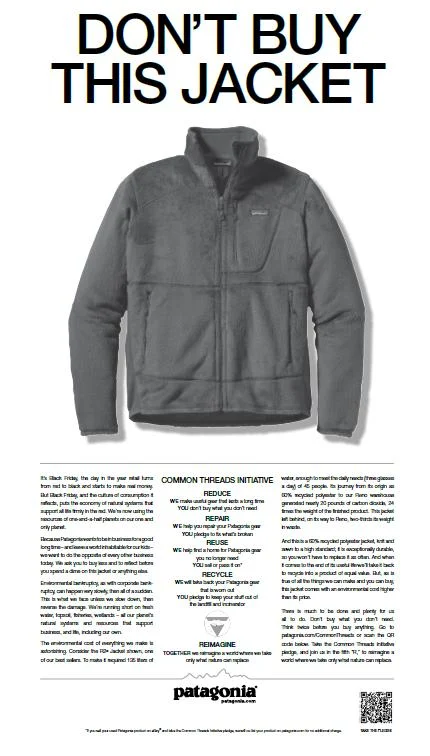
Over a decade ago, in 2011, Patagonia made headlines with a full-page advertisement in the New York Times telling people: “Don’t Buy This Jacket.” The brand actively encouraged shoppers not to spend money in a protest against overconsumption.
Patagonia’s strategy focused on the net effect. It sacrificed temporary profit for brand awareness and, in turn, became a pioneer of eco-conscious fashion. The message is simple: if you care about sustainability, buy from Patagonia.
2. The closed-store statement: REI
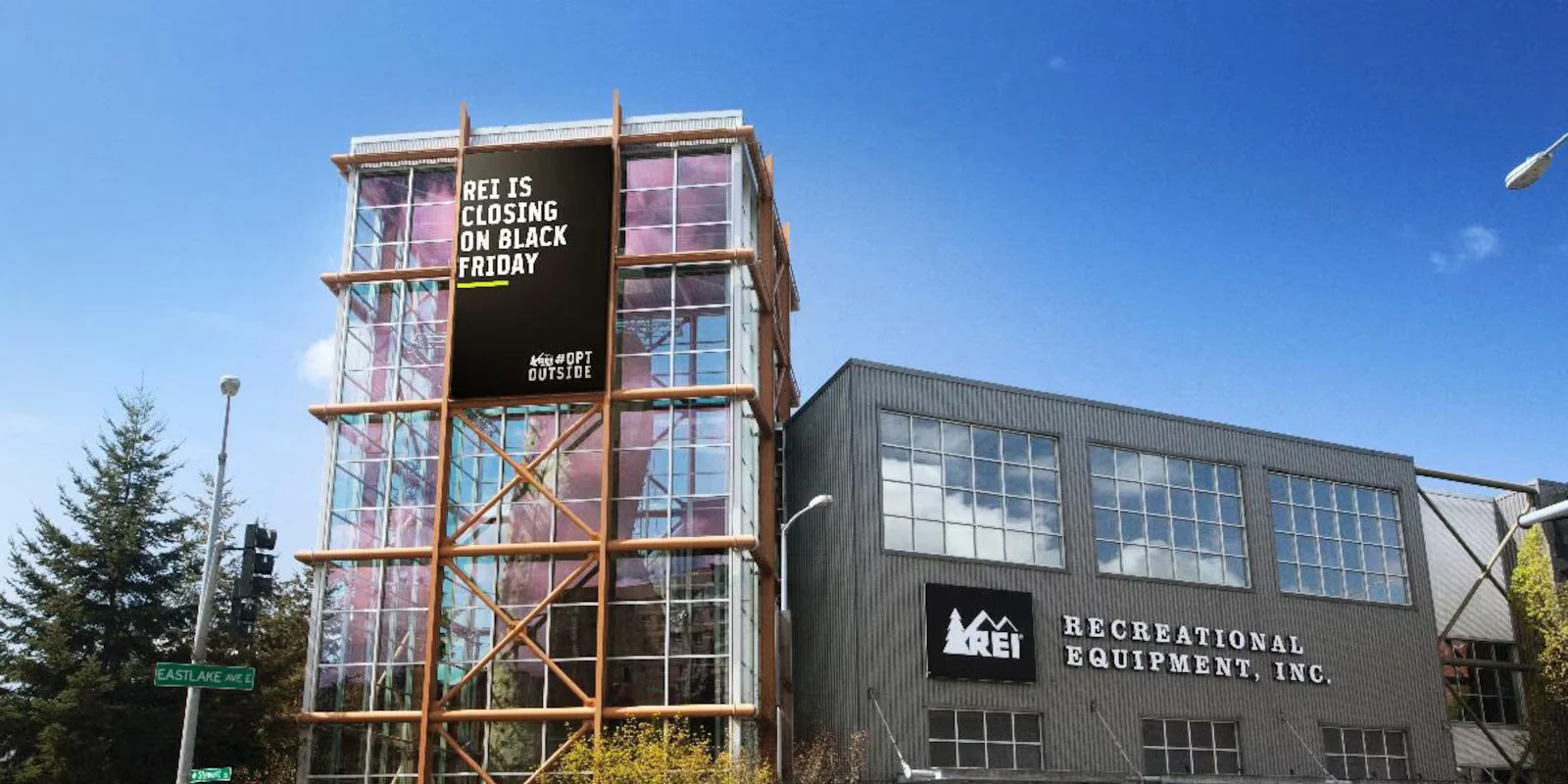
REI turned one of the most profitable events in ecommerce into a major statement. Instead of running a site-wide sale, REI launched #OptOutside and closed all its stores. The entire campaign took a completely different turn, inviting customers to share their outdoor adventure moments.
Now, not every business can afford to close down, much less during Black Friday. But the key lesson from REI’s example is to pick a single theme, topic, or value your audience can relate to. Then use an appropriate hashtag and encourage communication with a signup form to grow your lists while building goodwill.
3. The satirical prank: Cards Against Humanity
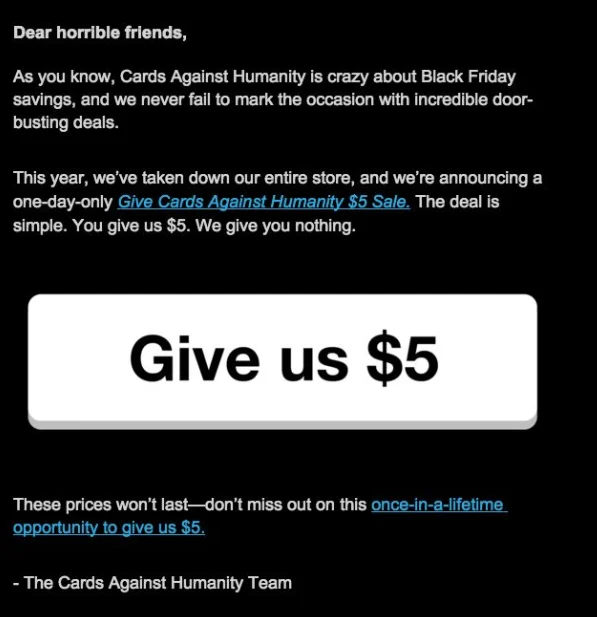
One year, the brand launched a promotion called “Give us $5”. Fans of the brand followed through, only to receive absolutely nothing in return. A bold move for sure, but expected given Cards Against Humanity’s reputation.
Max Temkin, the Cards Against Humanity founder, is known for disliking Black Friday. So, it’s no wonder that this sentiment fits in perfectly with the brand’s anti-establishment values. Cards Against Humanity doesn’t care about trends or being offensive. The brand simply wants to spread fun.
4. The buy-back scheme: IKEA
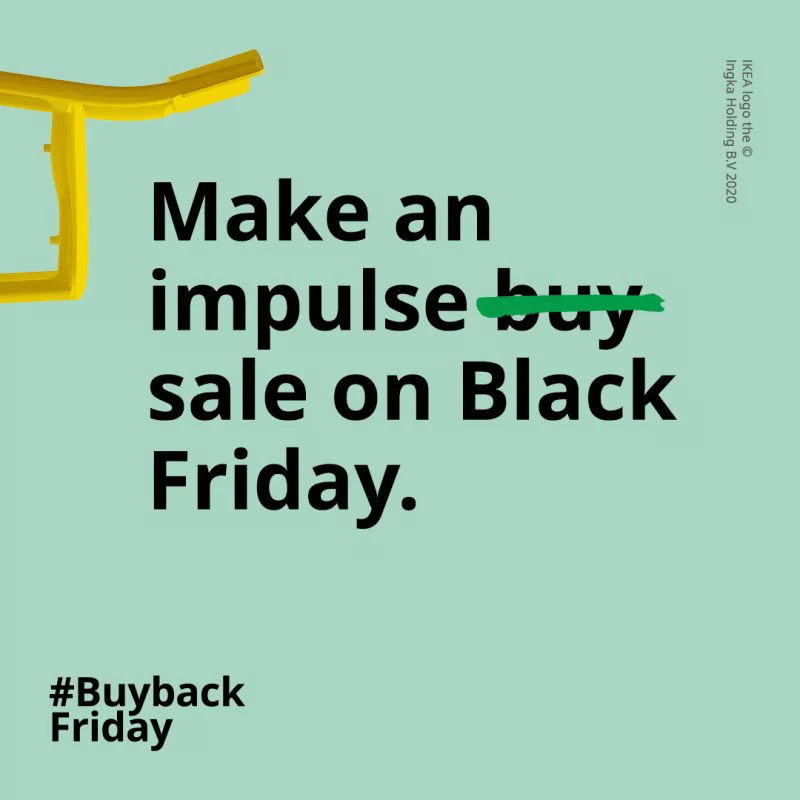
Building on the sustainability focus seen in campaigns from g REI and Patagonia, IKEA launched a genius marketing campaign called #Buyback Friday. The goal of this campaign was to increase sales and incentivize customers to return unused furniture in exchange for credits, which could be used to buy new items.
This campaign is great and can be used by many brands to take a more eco-conscious approach without losing valuable revenue opportunities. Plus, it can also work great as an early-bird offer for the people who act first.
5. The advertainment series: Walmart
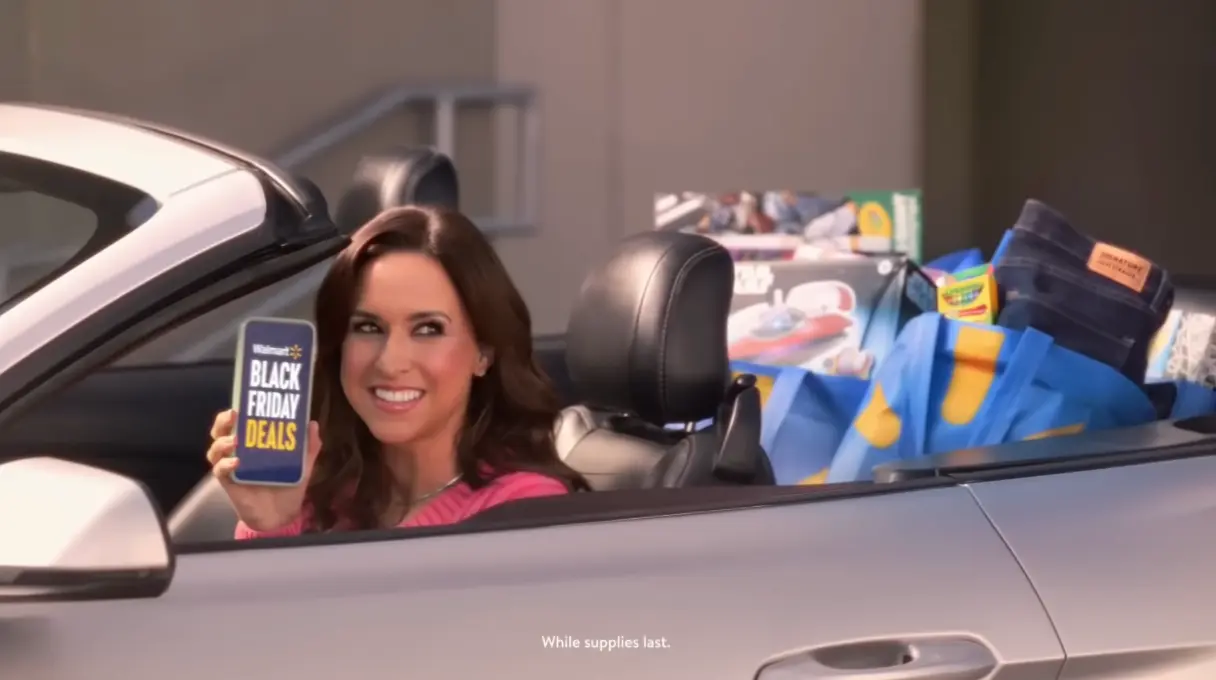
Walmart’s Black Friday campaign combined two elements – entertainment and seasonal deals. This allowed the company to create a comedy-driven scripted ad series with the cast of Mean Girls. As a result, this campaign performed well and created substantial buzz on social media platforms thanks to the popularity of the movie.
While this type of campaign can require a larger budget, smaller brands can use this example to combine a popular contemporary subject, like memes, to relate to and connect with the audience before introducing their Black Friday deals.
6. The in-store game: Macy’s
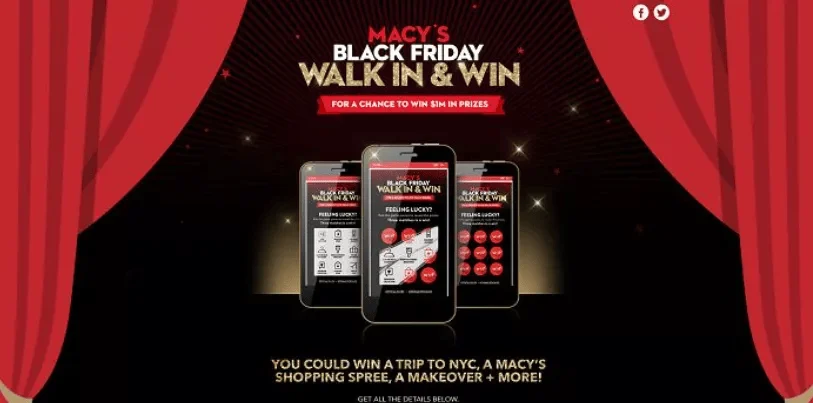
Macy’s delivered tons of exciting early access BFCM content across channels to pique consumers’ interest. The brand’s “Walk in and Win” initiative involved a mobile giveaway game that targeted customers in stores prior to the big weekend.
Adding gamified elements like a Wheel of Fortune popup with clear messaging revolving around benefits can incentivize customers to proceed.
7. The month-long campaign: Rachel Riley
Rachel Riley turned the standard Black Friday sale into a month-long campaign. The brand opened the campaign by offering 24 hours of early access to active subscribers to build urgency through the weekend, followed by other relevant communications, and ending the campaign with a last-chance email attached below.
If this sounds like something that could be applicable for your brand, focus on sending your lists an early access announcement before you launch the public sale. Include signup forms to enrich your lists or add an early-access BF popup, and end your Black Friday campaign with a last-chance SMS.
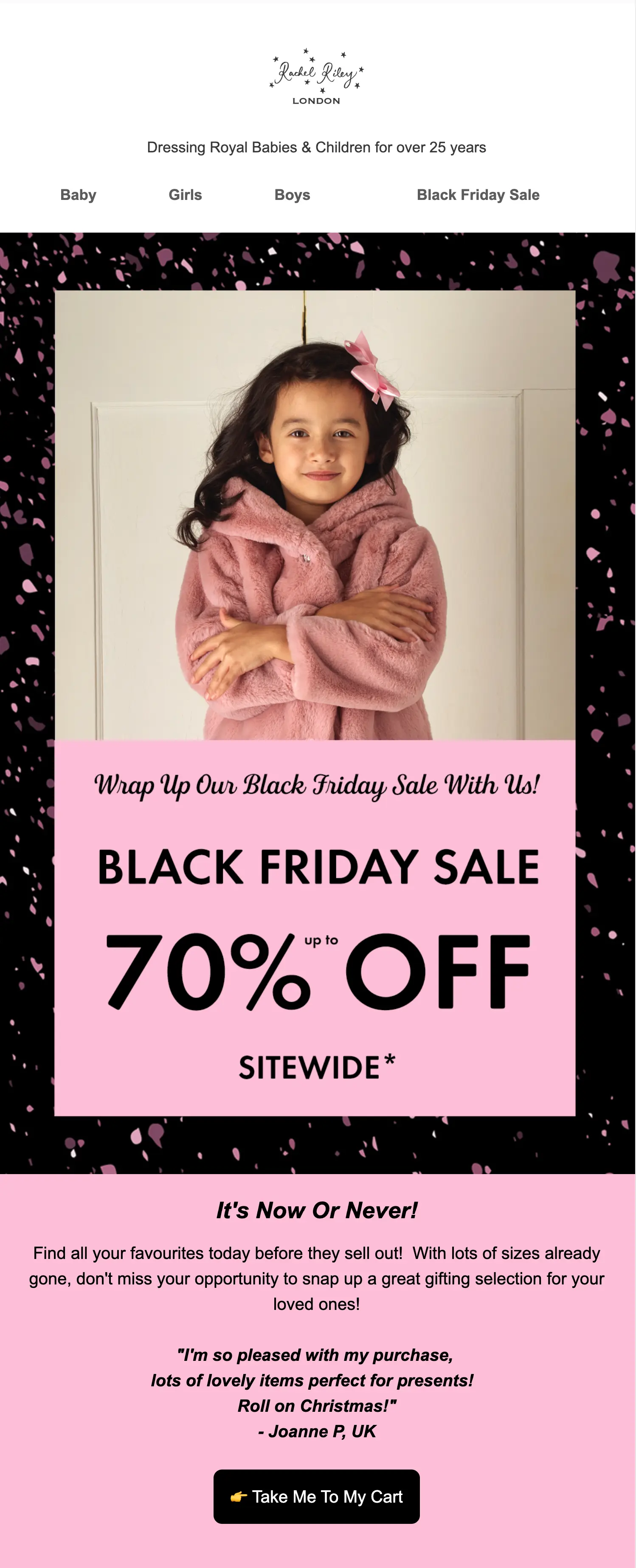
Rachel Riley expanded Black Friday into a month-long campaign and grew BFCM revenue 77% year over year
→ Read more
8. Waffles instead of a discount: Amundsen
Black Friday sales typically follow a straightforward strategy where there’s a massive discount announcement. Amundsen opens with an email about waffles, something that gives a nod to the brand’s familiar outdoors concept. And while the email does have a CTA button, it simply says “Shop Amundsen”, actively choosing not to follow discount pricing strategies.
Amundsen shows that brands built on a genuine story can approach Black Friday and other campaigns from a brand-story perspective. It’s particularly useful for luxury brands who want to retain their premium status.
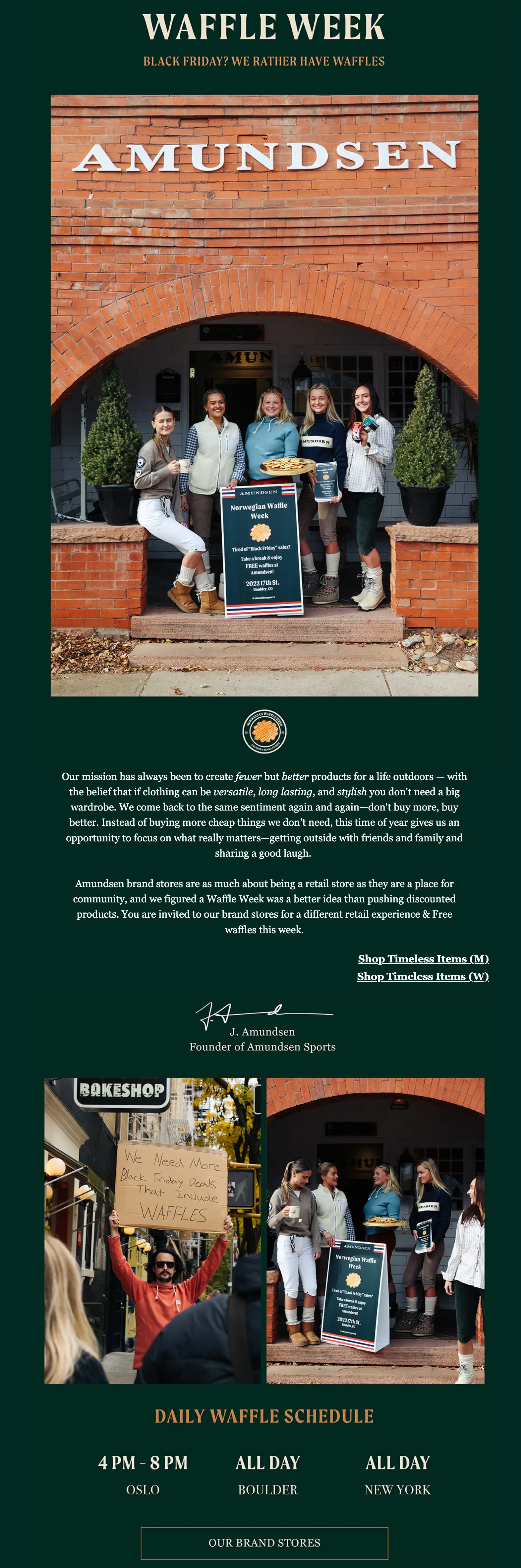
Amundsen’s new email strategy resulted in 1,010% higher revenue-per-email (RPE) from automations
→ Read more
9. The gift with purchase: To’ak Chocolate
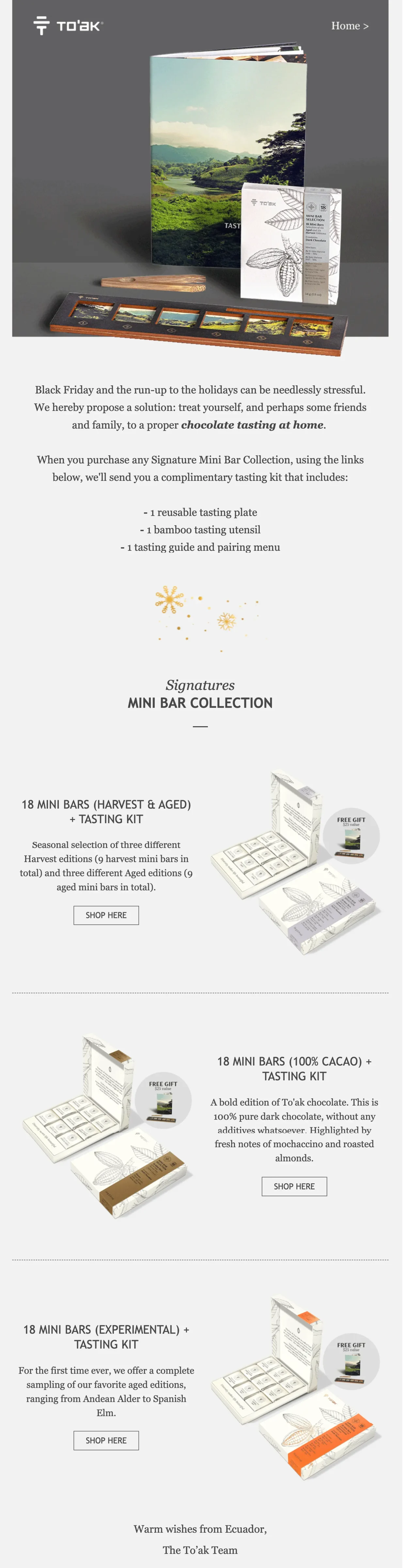
To’ak is a premium chocolate brand that uses the hype around Black Friday to engage with its subscribers. But instead of announcing discounts, the brand offers complimentary tasting kits to chocolate collections to add value, maintain a premium brand status, and protect margins.
Ecommerce brands with a similar profile can use this strategy and set a low-cost but high-value gift together with already favored products. You could also take it a step further by automating these offers to be sent after a customer makes a purchase.
To’ak Chocolate earns almost 40% of its email revenue from automation
→ Read more
10. The bold flash sale: B*WEAR
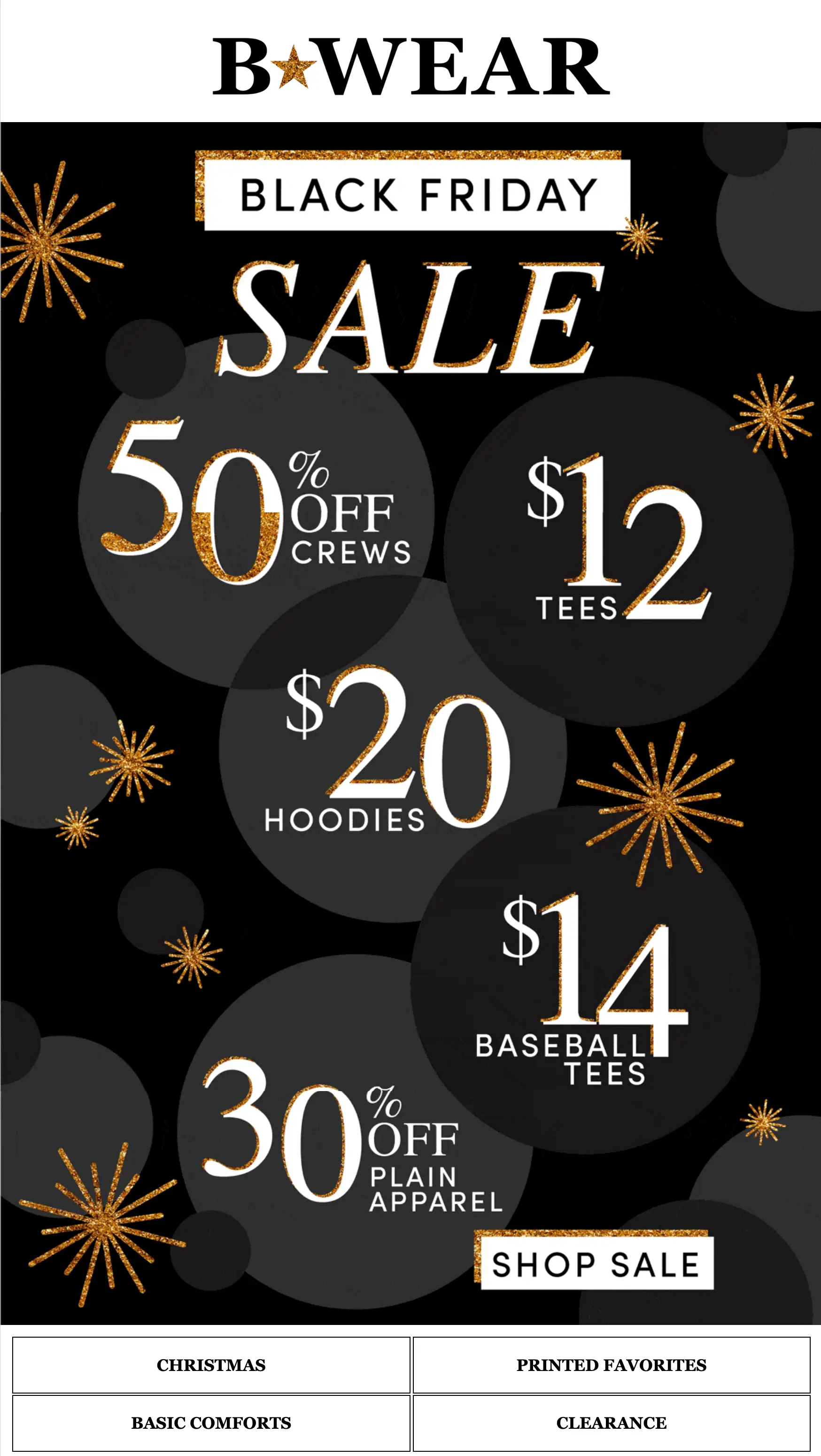
B*WEAR’s Black Friday email is one of the best examples of a brand running a sale announcement using minimal copy with fixed price points. The strategy builds on an already existing brand reputation, so the email’s bold discounting strategy communicates exactly what customers are expecting.
If you decide to follow a similar email layout, emphasize creating a clean, mobile-friendly email that focuses on price points without relying on text to carry the messaging. Pair this with SMS marketing and frame it as a real limited-time offer.
B*WEAR drives up to 40% of its online sales through email
→ Read more
Wrap up
The brands that see the highest ROI on their Black Friday campaigns and generate the most revenue build strategies around creativity, authenticity, and email segmentation.
In practice, this looks like running a campaign based on a single, clear idea communicated throughout the Black Friday period and supporting it with timely and fitting offers, not generic one-size-fits-all discounts.
Pick the approach that matches your brand and margins, then run it from one place. Omnisend handles the email, SMS, popups, and automations behind every example above.
Create lead-converting Black Friday campaigns with Omnisend
Quick sign up | No credit card required